Recharge in Five Minutes: Screen Break Flows That Actually Work

Today, we dive into Five-Minute Screen Break Flows—compact, restorative sequences designed to refresh eyes, ease tension, and sharpen focus without disrupting your day. Whether you’re coding, designing, writing, or studying, these tiny interludes protect energy, reduce strain, and return you to your work feeling clear. Try a flow now, share which steps helped most, and subscribe for fresh, practical routines you can fit between meetings, classes, and creative sprints.

The Science Behind a Smarter Pause
Short, intentional pauses counteract digital eye strain, cumulative posture stress, and mental fatigue. Research on microbreaks shows improved comfort and sustained performance, while attention naturally benefits from rhythmic intervals. A five-minute reset rebalances blink rate, circulation, and breathing patterns, setting you up for steadier focus. Consider this your evidence-backed nudge to protect well-being before problems escalate, not after.

Neck And Shoulder Unwind

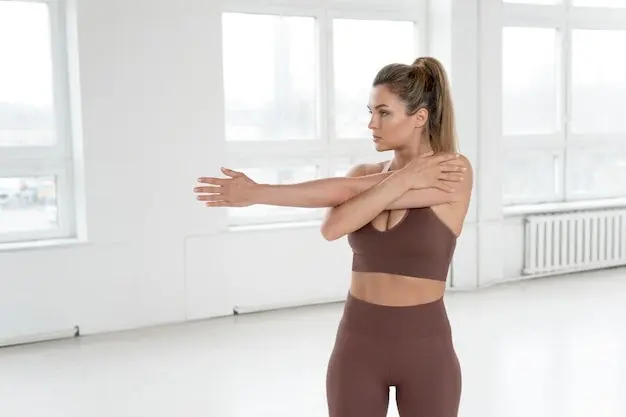
Sit tall, lengthen the back of your neck, and exhale your shoulders down. Draw circles with your shoulders, then tilt one ear toward the same-side shoulder while the opposite arm reaches heavy. Switch sides, then clasp hands, press palms forward, and widen between shoulder blades. Micro-movements release hidden holding, so keep effort soft. End with three deep breaths, sensing space where tightness lived moments earlier.

Wrists, Fingers, And Forearms

Interlace fingers, flip palms outward, and reach forward as you breathe wide into your back. Gently pull each finger, rotate wrists both directions, then extend one arm with palm open, drawing fingertips back to stretch the forearm. Reverse with a soft fist to target flexors. Shake it out, piano-tap your fingers on the desk, and notice circulation return. These tiny releases protect precision and endurance.

Spine And Hips Wake-Up

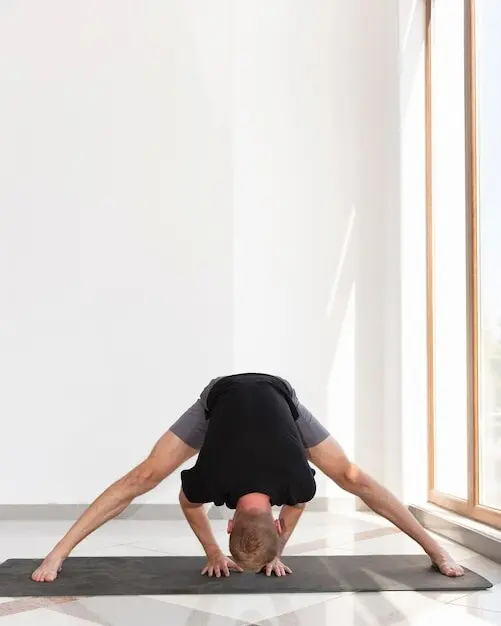
Plant feet, inhale to lengthen, and exhale into a slow seated twist, keeping your chest buoyant. Side bend with one arm overhead, breathing into your ribs, then switch. Scoot forward, hinge gently to fold over thighs, releasing your head. Stand briefly to march in place, feeling hips unstick. Finish seated with a subtle pelvic rock to lubricate the low back. Upright posture emerges naturally afterward.

Gentle Eye Relief Without Leaving Your Chair
Visual fatigue creeps in quietly, blurring text and shrinking patience. A focused five-minute routine relieves strain without fancy tools. You will warm the eyes, vary focal distance, and expand peripheral awareness to rebalance effort. This practice supports long reading sessions and late edits, helping your gaze feel nourished rather than scraped. Bring curiosity to each step and your clarity will follow.

Palming With A Purpose

Rub hands briskly to build warmth, then cup palms lightly over closed eyes without pressure. Notice darkness soften. Let your forehead, jaw, and tongue relax as your breath lengthens. After several slow cycles, lift palms and blink gently, allowing moisture to spread. This simple ritual reduces harsh light memory in the retina and invites comfort back, like turning down mental volume after a loud hallway conversation.

Focus Ladder

Pick a near point, a mid-distance object, and a far landmark. Shift focus slowly between them, exhaling as the eyes settle. Keep shoulders relaxed and jaw unclenched. Five or six rounds teach the ciliary muscles to coordinate again after screen lock. Finish by gazing softly beyond the far point, noticing breadth. The world widens, headaches recede, and tiny letters regain crisp edges without squinting.

Breath As Your Portable Reset Button

Box Breathing In Quiet Or Chaos

Inhale for four, hold for four, exhale for four, hold for four. Trace a mental square as you breathe, shoulders soft and jaw easy. Three or four minutes calms noise without sedation, making you clear yet alert. Great before presentations or tricky refactors, it sets a steady metronome inside your body. If holding feels edgy, shrink the counts until comfort returns, then progress gradually.

4-7-8 For Midday Tension

Inhale through the nose for four, hold gently for seven, and sigh out for eight, letting the exhale feel a touch longer and warmer. This cadence tones the parasympathetic system and smooths scattered thoughts. Two to four rounds can dissolve rigid shoulders and reactive typing. Use it after frustrating emails to regain choice. With repetition, you will reach calm faster, almost like a practiced shortcut.

Counting Exhales For Instant Calm

Breathe naturally and count only exhales from one to five, then restart at one. If your mind wanders, smile and begin again. This light practice trims rumination and steadies attention without strain. Pair it with a gentle gaze into the distance to avoid screen pull. In a few minutes, you will feel grounded enough to approach complex work with refreshed patience and brighter language.

Stand, Stroll, Return: A Mini Movement Circuit

One Minute Of Grounding

Stand with feet hip-width, soften knees, and feel weight through heels and big toes. Inhale to grow tall, exhale to root. Sweep arms overhead once, then let them fall with a sigh. Sense the floor pushing back. This simple check-in reconnects body and task, turning vagueness into readiness. Notice how breath finds space again when posture organizes without strain or perfectionism.

Two Minutes Of Easy Steps

Stand with feet hip-width, soften knees, and feel weight through heels and big toes. Inhale to grow tall, exhale to root. Sweep arms overhead once, then let them fall with a sigh. Sense the floor pushing back. This simple check-in reconnects body and task, turning vagueness into readiness. Notice how breath finds space again when posture organizes without strain or perfectionism.

Two Minutes Of Mobility

Stand with feet hip-width, soften knees, and feel weight through heels and big toes. Inhale to grow tall, exhale to root. Sweep arms overhead once, then let them fall with a sigh. Sense the floor pushing back. This simple check-in reconnects body and task, turning vagueness into readiness. Notice how breath finds space again when posture organizes without strain or perfectionism.

Make It A Habit That Sticks

A single break is helpful, but consistency transforms comfort and output. Tie your five-minute reset to existing anchors—calendar alerts, beverage refills, or meeting transitions. Track streaks lightly, invite a colleague, and rotate flows to keep curiosity alive. When you inevitably miss a break, restart kindly. Culture shifts when small actions repeat, and your body will thank you far more than your inbox ever will.

Design Your Cues So You Never Forget

Use layered prompts: a gentle timer, a sticky note near your webcam, and an automated status that says stepping away to recharge. Stack your reset with coffee, water, or bathroom breaks. Keep the sequence written on a card. Reduce friction ruthlessly so action is obvious. Over time, the cue plus context becomes automatic, and you move before fatigue or stiffness can make the decision for you.

Track Small Wins, Not Perfection

Measure what matters: Did you pause three times today? Did your shoulders feel freer by four o’clock? A simple checkbox in your planner or app builds momentum. Celebrate micro-milestones with a stretch, a grateful breath, or a shared note in your team chat. Momentum thrives on kindness, not scolding. Progress compounds when you notice it, and five minutes becomes the lever that moves your week.

Invite A Buddy, Multiply Consistency

Pair up with a colleague and send quick reset invitations on video or chat. Share your favorite sequence and swap ideas when energy dips. Light accountability turns good intentions into action, and it is more fun to move together. Post your go-to flow in the comments, ask questions, and subscribe for new routines. Community makes tiny habits sturdier, especially when deadlines gather like storm clouds.
Zentoravosiralorodexo
Privacy Overview

This website uses cookies so that we can provide you with the best user experience possible. Cookie information is stored in your browser and performs functions such as recognising you when you return to our website and helping our team to understand which sections of the website you find most interesting and useful.